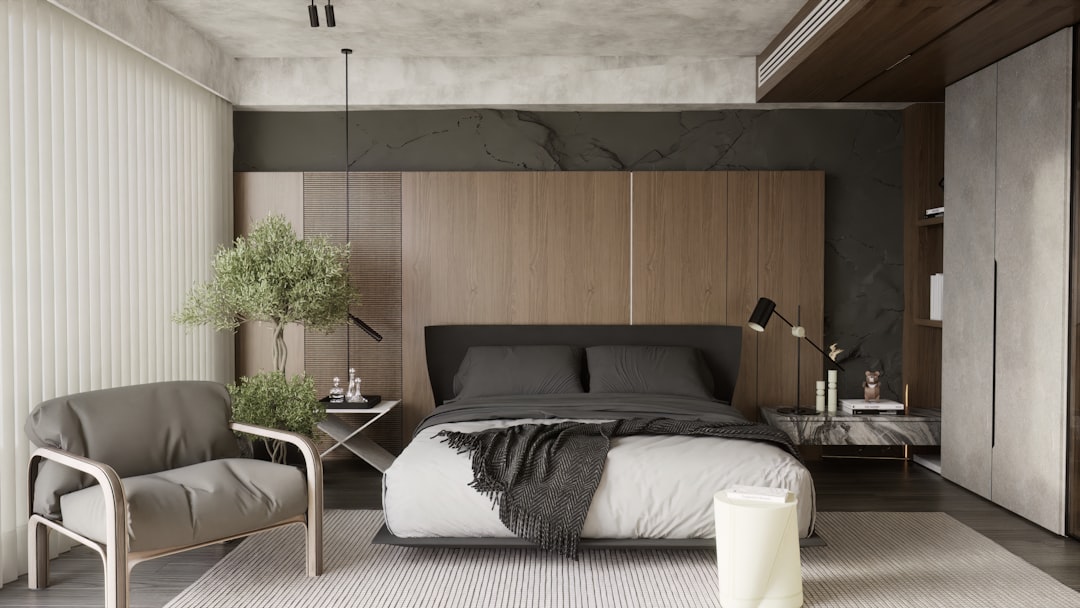
How to Create a Relaxing Bedroom for Better Rest and Comfort
Your bedroom should be the calmest space in your home — a place that invites sleep, rest and recovery. Creating a relaxing bedroom doesn’t require a full redesign; small, deliberate changes make a significant difference.
This guide gives practical, trustworthy steps you can implement today: from light and textiles to scent and tech habits. Follow these tips to build a restful environment that supports better sleep and everyday comfort.
Choose Mattress and Pillows That Support Your Sleep
Start with the foundation: mattress and pillows. Pick a mattress that matches your sleep position and firmness preference; test in-store when possible and favour trial periods. For pillows, match loft and firmness to whether you sleep on your back, side or stomach. Add a few decorative options to balance comfort and style — for visual layering consider decorative cushions to mix textures without sacrificing support.
Layer Textiles for Warmth and Calm
Layering makes a room feel inviting and improves temperature regulation. A breathable fitted sheet, a mid-weight duvet, and a light throw let you adapt to seasons. Choose natural fibres like cotton or linen for sheets and blankets to reduce overheating. For an easy update that also improves comfort, keep a selection of soft throws at the foot of the bed — consider options from the Throws & Blankets category to add texture and warmth.
Control Light with Purposeful Fixtures and Window Treatments
Light is a key regulator of the sleep cycle. Install layered lighting: overhead for cleaning and reading-level lamps for winding down. Choose warm-colour bulbs in the evening and reduce screen exposure before bed. For bedside options that don’t require wiring, look at rechargeable table lamps — they’re portable, dimmable and useful for creating a low-light pre-sleep routine.
Window treatments should block late-night streetlight and daytime glare. For bedrooms in busy or bright neighbourhoods, invest in effective blackout curtains. They improve sleep quality by preventing light from disrupting melatonin production and also reduce noise slightly by adding mass.
Declutter, Clean and Maintain a Calmer Space
Clutter increases cognitive load and distracts the brain when trying to unwind. Keep surfaces clear, limit non-bedroom items, and dedicate storage for clothes and accessories. Integrate simple cleaning routines — quick daily tidies and a weekly refresh of bedding will keep the room inviting.
For floors and carpets, an automated helper reduces the burden of maintenance. A reliable option for regular upkeep is the category of robot vacuum cleaners, which can pick up hair and dust with minimal effort so the room feels consistently clean.
Manage Cables and Tech to Promote Rest
Electronics can fragment sleep with light, sound and visual stimuli. Create a tech-free zone around the bed: move chargers to a dedicated station and use an alarm clock rather than your phone. Tidy cables into hidden channels or organisers so charging areas don’t look chaotic — consider cable management organisers to keep outlets and devices neat and out of sight.
Use Sound, Scent and Temperature to Enhance Comfort
Sound conditioning and scent cues reinforce bedtime routines. A small white-noise machine or soft instrumental playlists can mask disruptive noises. For scent, choose calming, subtle fragrances — lavender, chamomile or cedar — used sparingly. An easy, low-maintenance way to add pleasant aromas is with home fragrance diffusers, which allow you to control intensity and timing without an open flame.
Temperature matters: the ideal bedroom is slightly cool. Use breathable bedding and adjust heating or fans to maintain a comfortable 16–19°C (60–67°F) range for many sleepers. Having a small selection of extra cushions and throws makes it easy to fine-tune comfort without changing the room’s look.
Add Plants and Thoughtful Decor for a Calm Atmosphere
Greenery softens a space and gives visual rest. If you want low-maintenance options with consistent looks, choose artificial plants & flowers — they add life and texture without ongoing care. Complement plants with a few well-placed ornaments or a simple piece of wall art to provide focal points that are calming rather than cluttered.
Routines and Habits That Convert the Room into a Sanctuary
Designing a relaxing bedroom also depends on consistent habits. Reserve the bed for sleep and intimacy only, and use pre-sleep rituals (reading, gentle stretches, dimming lights) to signal bedtime. Turn off bright screens 60–90 minutes before sleeping and keep a small notebook by the bed for any last-minute thoughts so you don’t lie awake replaying tasks.
Quick Checklist
- Match mattress/pillows to sleep position and test comfort.
- Layer bedding with breathable sheets and a light throw.
- Install warm bedside lighting with rechargeable table lamps where wiring is impractical.
- Use blackout curtains for light control.
- Declutter surfaces; schedule weekly cleaning and use a robot vacuum cleaner if needed.
- Tidy charging areas with cable management organisers.
- Introduce subtle scents via home fragrance diffusers.
- Add texture and visual comfort with Throws & Blankets and decorative cushions.
- Bring life with low-maintenance artificial plants & flowers.
Frequently Asked Questions
- How bright should bedroom lighting be at night? Use low, warm lighting (under 3000K) in the hour before bed and rely on a bedside lamp rather than overhead lights.
- Are artificial plants okay for a relaxing bedroom? Yes — realistic artificial plants provide the aesthetic benefits without maintenance and are great for low-light rooms.
- Do blackout curtains really help? They reduce light intrusion and can improve sleep onset and duration for light-sensitive sleepers.
- How often should I wash bedding? Aim for weekly pillowcase and sheet washes and a duvet cover every 2–4 weeks depending on sweat and allergies.
- Can tech stay in the bedroom? Keep active devices away from the immediate bedside and use cable organisers to reduce visual clutter; reserve the bed primarily for sleep and relaxation.
Conclusion
A relaxing bedroom combines good products with consistent habits: the right mattress and pillows, layered textiles, controlled light and scent, tidy surfaces and minimal tech. Start with one or two changes — a blackout curtain and a bedside lamp, or decluttering and a diffuser — and build from there. Small, targeted improvements deliver measurable gains in rest and comfort.