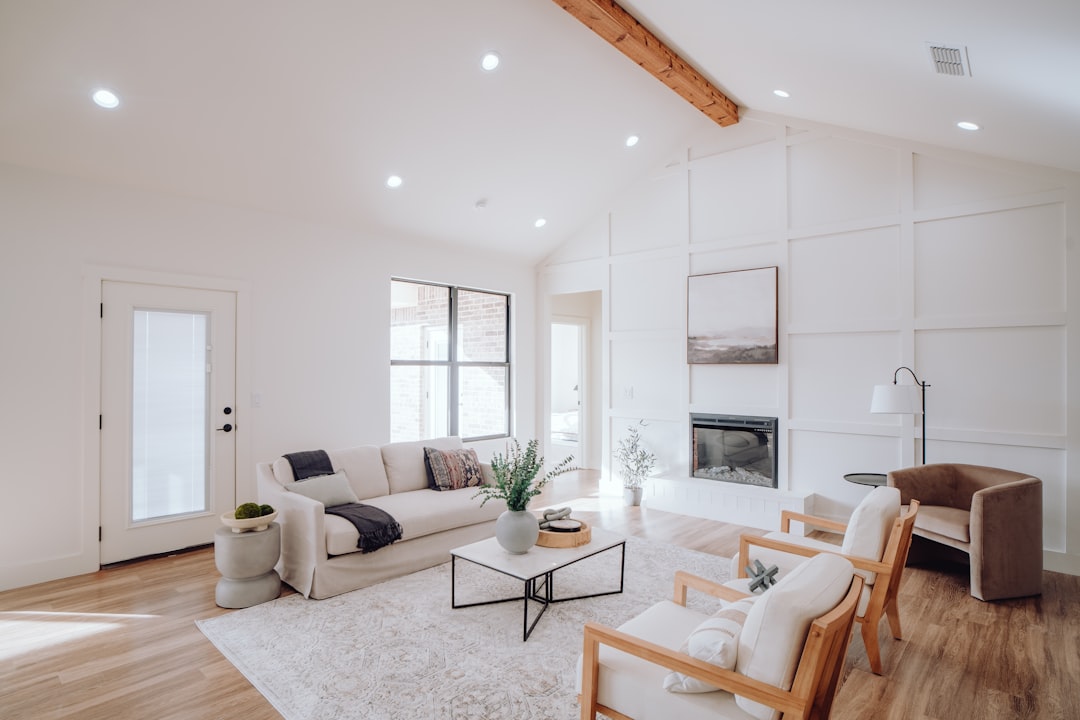
What Makes a Home Look Thoughtfully Designed? 10 Details That Matter
A thoughtfully designed home looks effortless because every detail supports comfort, function and style. It isn’t about high-end purchases; it’s about consistent choices that feel intentional.
This guide walks through ten practical details that lift a space from “lived-in” to “designed.” Use these points as a checklist when planning edits, shopping, or rearranging rooms.
1. Layered lighting: function plus atmosphere
Good lighting is foundational. Aim for three layers: ambient (room light), task (reading, cooking), and accent (art or architectural features). Task lamps at seating and work zones improve usability; portable options make layering simple and flexible.
For bedside, living and occasional table zones choose adaptable fixtures like Rechargeable Table Lamps that add soft pools of light without extra wiring—key for rented spaces or flexible layouts.
2. Textiles that read as edited and comfortable
Textiles are where comfort meets style: rugs, cushions and throws define zones, add colour, and soften acoustics. Keep a consistent palette and mix textures—linen, wool, boucle—to create depth without clutter.
Update cushion groupings seasonally and mix sizes and patterns sparingly. A quick swap of well-chosen Decorative Cushions refreshes a sofa or bed and makes an intentional room feel warm and complete.
3. Scale and furniture placement that respect proportions
Thoughtful design reads in scale: too-small furniture looks lost; oversized pieces dominate. Aim for a balanced composition—leave clear sightlines and traffic paths, and arrange seating to encourage conversation.
Anchor seating with a rug that’s big enough for front legs of sofas and chairs; a coffee table that relates in scale to seating keeps the composition coherent. Move pieces away from walls when possible to create more intimate layouts.
4. Mirrors and reflective surfaces for light and depth
A well-placed mirror increases perceived space and bounces natural light into darker corners. Use mirrors strategically—opposite windows, above console tables or within gallery arrangements—to amplify views and create focal points.
Choose frames that complement the room’s finish palette and hang at eye level for maximum impact. Decorative mirrors can act as art while enhancing proportion and balance across a room; consider their shape as part of your visual language.
Need a selection that fits your scheme? Explore curated options for different styles and sizes at Decorative Mirrors.
5. Art, personal photos and meaningful objects
A thoughtfully designed home feels lived-in because it shows evidence of life—art, photographs and well-chosen objects. Edit collections down to a few pieces per wall or surface and group objects into purposeful vignettes.
When hanging art, use a consistent hanging height and consider scale relative to furniture. Large art over a sofa or bed makes a strong statement; smaller pieces work better in grids or salon-style groupings.
If you’re starting or refreshing a gallery, browse prints and frames that align with your palette: Wall Art & Prints provide instant personality and cohesion.
6. Greenery and containers for life and texture
Plants, real or high-quality artificial, add life, height and organic texture. Distribute greenery in multiples—tall plants anchor corners while small pots soften shelves or tabletops.
Pair plants with attractive containers and ceramics to integrate them into the room’s aesthetic. If maintenance is a concern, realistic options give the same visual benefit without the upkeep; browse tasteful options like Artificial Plants & Flowers.
Complement plants with well-chosen vessels—vases that sit well in a group or on a console help collections feel curated, not random.
7. Scent and small finishing touches
Design reaches the senses. A consistent, subtle scent makes a home feel considered and inviting. Choose a signature scent family—citrus, herbal, woody—and keep it light; heavy fragrances overwhelm.
Diffusers, candles and scented ceramics are quick finishing touches. For a low-effort way to introduce consistent fragrance across rooms, consider Home Fragrance Diffusers that blend with your style and routine.
8. Tidy technology and clutter-free surfaces
Visible cords, tangled chargers and mismatched accessories immediately undo a well-designed space. Conceal or organise tech to preserve clean sightlines and surface calm.
Under-desk baskets, clips and boxes make work zones neater; in living areas, use smart power solutions and one charging station rather than multiple cables. Practical products like Cable Management Organisers keep setups neat and instantly improve visual order.
9. Clean, maintained floors and easy-care choices
Floors anchor a room and quickly reveal how cared-for a home is. Regular cleaning, scuffs repaired and rugs laid correctly lift the entire space. Practical maintenance also prolongs material life—wood finishes, grout and upholstery benefit from routine attention.
For everyday ease, consider tools that reduce chore time so design can be enjoyed more. Robot vacuums handle daily debris and keep rugs and hard floors consistently tidy; they’re a small investment with big, visible returns on a room’s perceived polish. Check reliable options here: Robot Vacuum Cleaners.
10. Intentional editing: less is more
Thoughtful design is largely about subtraction. Edit surfaces and shelves so each object has purpose—function, story or beauty. When in doubt, remove items, live with the negative space, and reintroduce deliberately.
Create rules for yourself: limit tabletop accessories to a maximum of three items, choose a single metal finish per room, or keep colour accents to two or three shades. Constraints help decisions feel intentional and unified.
Quick checklist
- Layer lighting: ambient + task + accent
- Edit textiles: mix textures, limit patterns
- Check scale: rugs, tables and seating relate
- Add mirrors to boost light and depth
- Create curated vignettes—3–5 objects max
- Use greenery and cohesive containers
- Tidy cords with organisers
- Maintain floors—schedule quick daily cleaning
FAQ
-
How do I choose a colour palette?
Start with a neutral base (walls, large furniture), add one dominant accent and one secondary accent in varying textures. Test samples in natural light before committing.
-
What’s the easiest way to make a room feel expensive?
Edit clutter, layer textures (wool, leather, linen), ensure good lighting and keep finishes consistent—matching metal tones, for example, creates cohesion.
-
How many cushions are too many?
On a sofa, three to five cushions is a good rule: mix sizes and textures, keep patterns limited, and remove anything that crowds seating space.
-
Where should I hang art?
Hang art at eye level—centre roughly 145–155cm from the floor—and consider the piece’s relationship to furniture. Large artworks should align with the width of the sofa or mantle.
-
Can artificial plants look convincing?
Yes—choose realistic foliage, vary pot styles, and avoid grouping identical plastic pots. Combine sizes and add a textured or ceramic planter for authenticity.
Conclusion
Thoughtful design is a sequence of small, consistent choices: lighting that flatters, textiles that invite, curated objects that tell a story, and systems that keep the space tidy. Use the checklist above to audit one room at a time—small edits compound into a cohesive, intentional home.