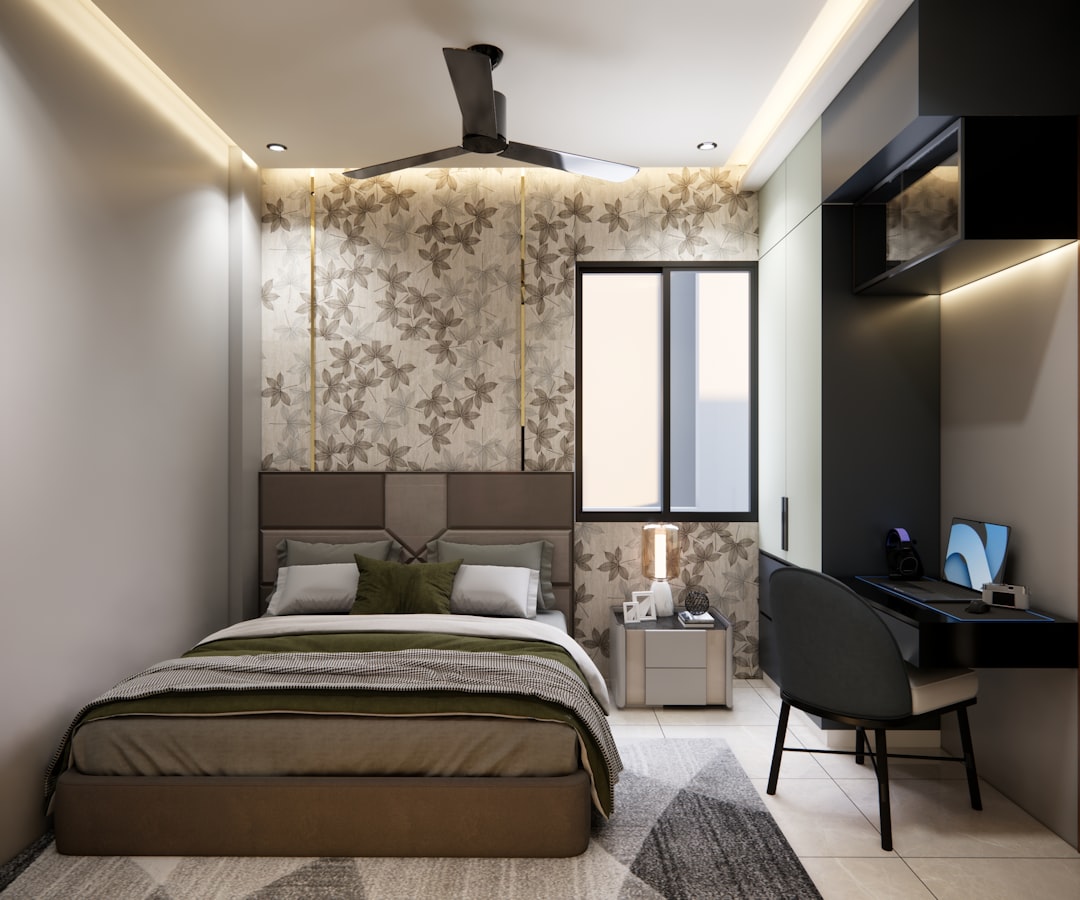
How to Make a Small Bedroom Feel Bigger and More Relaxing
Small bedrooms can feel cramped and chaotic, but with a few deliberate choices you can make the space feel larger, calmer and far more restful. This guide focuses on practical, low-cost strategies that deliver real visual and functional results.
Read on for layout tips, storage solutions, lighting strategies and finishing touches that improve both space perception and comfort without a major overhaul.
1. Start with ruthless decluttering
Before you add anything, clear surfaces and purge items you don’t use. A tidy room reads as larger because your eye isn’t stopped by visual noise. Sort clothing, accessories and random items into three piles: keep, donate, recycle. Put frequently used things within reach and store seasonal or seldom-used items elsewhere.
2. Choose furniture that maximises space
Pick compact, multi-functional furniture: beds with drawers, narrow bedside tables, vertical shelving and fold-away desks. Floating shelves and wall-mounted bedside lights free floor space and create the perception of more room.
Tame tech and hide cables
Cables and chargers on the floor instantly make a room look busier. Use purpose-built organisers to route cords and hide power strips inside drawers or behind furniture. A neat cable run makes even a small room feel more orderly and spacious.
3. Use mirrors to double the visual space
Mirrors reflect light and view, effectively doubling what you see and making a room feel larger. Place a large mirror opposite a window or at the foot of the bed. Even a well-placed decorative mirror can create depth and a focal point without crowding the room.
4. Layer your lighting — keep it warm and adjustable
A small bedroom benefits from multiple light sources rather than one harsh overhead lamp. Combine general ceiling light with bedside lamps and soft accent lighting. Dimmable bulbs let you shift mood from bright and functional to relaxed and cosy.
5. Window treatments: balance light and privacy
Let natural light in during the day to make the room feel airy. For sleep and privacy, choose curtains that block light without adding bulk. Lightweight sheers layered with heavier drapes give you flexibility: airy by day, dark and restful by night.
6. Soft furnishings that add depth without clutter
Textiles add warmth and visual interest; choose a restrained palette and limited patterns to avoid overwhelming the space. A couple of textured cushions, a throw at the foot of the bed, and a rug that fits the scale will anchor the room without making it feel smaller.
7. Keep floors clear and easy to maintain
Visible floor area makes a room feel larger. Choose furniture with legs so you can see floor beneath, and use under-bed drawers or boxes for out-of-season items. Regularly vacuum or sweep to keep the floor visually clean; automated help can save time and keep clutter at bay.
8. Bring in greenery and calming scents
Plants add life and a sense of calm; choose compact or trailing varieties that suit the light you have. If you prefer lower maintenance, high-quality artificial plants provide the same visual benefit without watering or light requirements.
9. Finishing touches: scent, art and a single focal point
Keep decor minimal and purposeful. One or two pieces of wall art, a favourite photo frame, or an elegant vase on a bedside tray draws the eye without clutter. A calming scent in the room can improve relaxation and encourage better rest.
Quick checklist
- Declutter surfaces and donate unused items.
- Choose multi-functional furniture and vertical storage.
- Hide cables and chargers with a cable organiser.
- Place a mirror to reflect light and view.
- Layer lighting with dimmable bulbs for mood control.
- Opt for light window treatments daytime, blackout curtains for sleep.
- Keep floors visible and invest in regular cleaning help.
- Add greenery and a subtle diffuser for a calming finish.
FAQ
How can I make a tiny bedroom look less cramped?
Start by removing excess furniture and clutter, use vertical storage, choose a lighter colour palette, place a large mirror opposite a light source, and keep the floor visible.
Do blackout curtains make a room feel smaller?
Heavy curtains can feel bulky if oversized or dark; balance them with sheer panels or choose lighter colours and hang them close to the ceiling to create the illusion of taller windows.
Are smart bulbs worth it in a small bedroom?
Yes. Smart, dimmable bulbs let you control brightness and colour temperature, which helps expand perceived space during the day and create a relaxed mood at night.
What’s the best way to add plants if I have no natural light?
Choose low-light tolerant species or realistic artificial plants to get the visual benefits without the maintenance or light requirements.
How often should I deep-clean a small bedroom?
Regular weekly tidying and vacuuming keeps the space looking fresh. Deep cleaning of bedding, curtains and floors every 1–3 months is a good rhythm for most people.
Conclusion
Making a small bedroom feel larger and more relaxing is about intention: remove visual clutter, maximise light and sightlines, use multifunctional furniture, and finish with a few well-chosen accessories. Prioritise what you need, keep surfaces clear and use light, texture and scent to create a restful space.
Takeaway: declutter first, then layer light, mirrors and textiles to expand the space visually while adding comfort.