Introduction
Well-organised kitchen cupboards and drawers save time, reduce waste and make cooking more enjoyable. With a few intentional steps and the right tools you can turn chaotic storage into an efficient system that fits how you actually use your kitchen.
This guide gives practical, actionable methods for decluttering, zoning, fitting hardware and maintaining order so your cupboards and drawers work for you—not against you.
1. Start with a clear assessment and declutter
Empty one cupboard or drawer at a time and sort contents into four piles: keep, relocate, donate/sell and recycle. Be honest—if an appliance or pan hasn’t been used in a year, consider letting it go. Keep duplicates only if they serve a clear purpose (e.g., extra baking tins).
Document problem areas as you go (overcrowded drawers, deep unreachable shelves) so you can target specific fixes rather than applying generic solutions that might not fit the issue.
2. Zone your kitchen for efficient workflow
Organise cupboards and drawers by task zones: prep, cooking, baking, storage, and cleaning. Place everyday plates, bowls and glasses near the dishwasher or sink for easy unloading. Keep cooking tools and frequently used spices next to the hob. Reserve a lower cupboard for bulky items like mixing bowls.
For cookware, consolidate and store by function and frequency—stack similar pots and pans together and keep lids in a predictable place so you can grab matching sets quickly. Consider investing in a dedicated cookware solution if you upgrade your pots: Cookware Sets can help standardise sizes and nesting for easier storage.
3. Maximise vertical and hidden space
Add an extra shelf or use tiered risers to exploit vertical space inside tall cupboards. Turn cabinet doors into storage by mounting spice racks, hook strips or slim shelves for foils and wraps. Use under-shelf baskets to create an extra layer for linens or lightweight items.
For open cupboards, use trays or shallow baskets to keep items corralled and easy to slide forward. A decorative tray can make an open shelf look tidy while keeping smaller items grouped and accessible: Decorative Bowls & Trays are useful for this purpose.
4. Drawer systems that actually work
Divide drawers by task and use modular inserts to contain utensils, gadgets and packets. A deep drawer for pots and pans benefits from tray dividers for lids and a dedicated area for wooden spoons. Reserve a top drawer for cutlery and a second for frequently used tools.
For small items—clips, rubber bands, spare batteries and measuring spoons—use stackable compact organisers that create neat compartments and avoid rummaging. A small, stackable cube organiser is ideal for tiny zones and keeps like with like: OSCO White Hi-Gloss ABS Plastic Cube 3-Drawer.
5. Tame appliance cords and small electrics
Small appliances often pile up with tangled cords. Keep an appliance drawer or lower cupboard for mixers, blenders and hand tools. Coil cords neatly and use ties or a cable box to avoid knots. For permanent cable routing and neat power strips inside cupboards, use purpose-made solutions like Cable Management Organisers so cords are accessible but contained.
Store chargers and rarely used adapters in clearly labelled pouches so they’re simple to find without emptying the whole drawer.
6. Organising cleaning supplies and the under-sink area
The under-sink cupboard is prone to spills and clutter. Pull everything out, discard empty bottles and line the base with a waterproof mat. Use caddies and tiers so you can lift out all cleaning supplies at once. A dedicated carry caddy keeps sprays and cloths portable for quick clean-ups: Cleaning Caddy With Handle.
Store everyday sponges and dish brushes near the sink; reserve heavier items like bleach or concentrated cleaners for a childproof high shelf if needed.
7. Improve visibility with lighting
Good lighting transforms the usability of cupboards and lowers the error rate when grabbing ingredients or checking expiry dates. Install under-cabinet lights for consistent illumination across worktops and inside upper cupboards to reduce shadows and wasted time searching.
Battery or wired options work depending on your cabinet setup; browse reliable options to fit your installation needs: Under Cabinet Lighting. For a rechargeable, easy-to-fit kit consider a compact model that doubles as a torch for quick checks: Gritin 2026 Gen 2 Under Cabinet Kit.
8. Keep cupboards clean and easy to maintain
Set a simple cleaning routine: wipe shelves monthly, declutter quarterly and return items to their designated zones after use. For floors and baseboard areas around cabinets, regular vacuuming prevents dust and crumbs from building up—robotic helpers can make this easier. Consider a smart cleaning routine that includes Robot Vacuum Cleaners to maintain tidy floors with minimal effort.
Use liners in drawers and shelves to prevent spills from staining wood or laminate and to make wiping up quick.
9. Styling and finishing touches
Once functional systems are in place, add simple visual cues: uniform containers for staples, labelled jars for dry goods and a consistent colour palette for liners and caddies. Small, attractive trays work well inside cupboards for grouped tea or coffee items and make refills obvious. If you prefer visible organisation, select decorative trays and bowls that match your kitchen’s style: Decorative Bowls & Trays (also useful inside cupboards).
Labels don’t have to be permanent—use removable labels or chalkboard tags to adapt as your needs change.
Quick checklist
- Empty and sort one cupboard/drawer at a time.
- Zone by task: cooking, prep, baking, cleaning, storage.
- Use dividers, risers and stackable organisers for vertical space.
- Contain small items with compact drawer organisers.
- Use cable management for appliance cords.
- Install under-cabinet lighting for visibility.
- Keep a cleaning caddy for under-sink supplies and maintain monthly wipe-downs.
FAQ
- How often should I declutter kitchen cupboards?
Aim for a quick review every 3 months and a more thorough declutter annually. - What’s the best way to store pot lids?
Store lids vertically with a divider or on an inward-facing door-mounted rack so they are visible and easy to match. - Can I keep cooking appliances in a drawer?
Yes—ensure the drawer is deep enough and use separators to prevent scratches; leave heavier appliances in lower cupboards for safety. - What’s the easiest lighting option for older cupboards?
Battery or rechargeable puck lights are simple to install and provide targeted illumination without rewiring; for a permanent solution consider wired under-cabinet strips. - How do I prevent pantry items from going stale?
Use airtight, uniform containers for dry goods and rotate older items to the front; label with dates if you buy in bulk.
Conclusion
Organising cupboards and drawers is about matching storage to how you cook and clean. Start small, use modular organisers, improve visibility with lighting and maintain a simple routine. Taken together, these steps create a kitchen that’s faster to work in and easier to keep clean—small investments in organisation pay back every day.
Products Featured in This Article
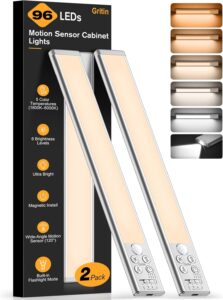
Gritin 2026 Gen 2 Under Cabinet Kit…
Product Description Provide You with More Choices Add To Basket Add To Basket Add To Basket…
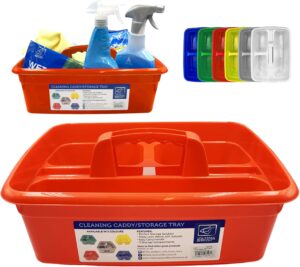
Cleaning Caddy With Handle Cleaners…
From the brand Who is The Dustpan and Brush Store? The heritage of our company dates…

OSCO White Hi-Gloss ABS Plastic Cub…
From the brand OSCO We offer an unrivalled range of high-grade affordable storage products for desktop,…